 Advanced
Complex bowel care is a high-intensity support area under the NDIS Practice Standards. It involves assisting participants with specialised bowel management, including the administration of enemas, suppositories, and monitoring bowel health. This course introduces learners to safe and respectful practices, roles and responsibilities, and compliance requirements.
The training ensures support workers understand both the clinical aspects of bowel care and the importance of preserving participant dignity, privacy, and choice during care delivery.
 Basic
This course aims to build the professional and ethical capacity of NDIS workers and service providers to actively prevent and respond to all forms of abuse, neglect, and exploitation experienced by people with disability. The Zero Tolerance approach is more than a policy—it represents a culture of safety, respect, and accountability that every worker must uphold in daily practice.
The course helps participants understand what Zero Tolerance means in real-world service delivery, how to recognise early warning signs, and how to act in line with legal and organisational obligations. By completing this training, learners will gain the confidence and skills to protect participants’ rights and contribute to a workplace where abuse is never ignored or excused.
 Advanced
The purpose of this course is to provide support workers with the knowledge, skills, and confidence to deliver safe, effective, and respectful stoma care. Stoma care is a high-intensity support area under the NDIS, requiring strict adherence to infection prevention procedures, accurate monitoring, and sensitive communication with participants. This course equips workers with practical strategies to manage colostomies, ileostomies, and tracheostomies, while upholding participants’ dignity, rights, and wellbeing. It ensures all staff understand their responsibilities under organizational policy, NDIS Practice Standards, and Australian health guidelines.
 Basic
This section provides an essential foundation for understanding the principles and practices that underpin the support provided to Aboriginal and Torres Strait Islander participants. The core content addresses key themes central to delivering culturally safe, inclusive, and respectful support services. These themes are vital for aligning with NDIS Practice Standards and complying with relevant Australian legislation.
 Intermediate
To build awareness of rights and responsibilities under the NDIS.
To ensure workers can identify and respond to signs of harm.
To align worker practice with NDIS Practice Standards and Australian legal obligations.
 Intermediate
This course equips disability support workers with the knowledge, skills, and confidence to recognise, respond to, and manage seizures safely. It ensures compliance with NDIS Practice Standards and organisational policies while safeguarding participant dignity, independence, and wellbeing.
 Intermediate
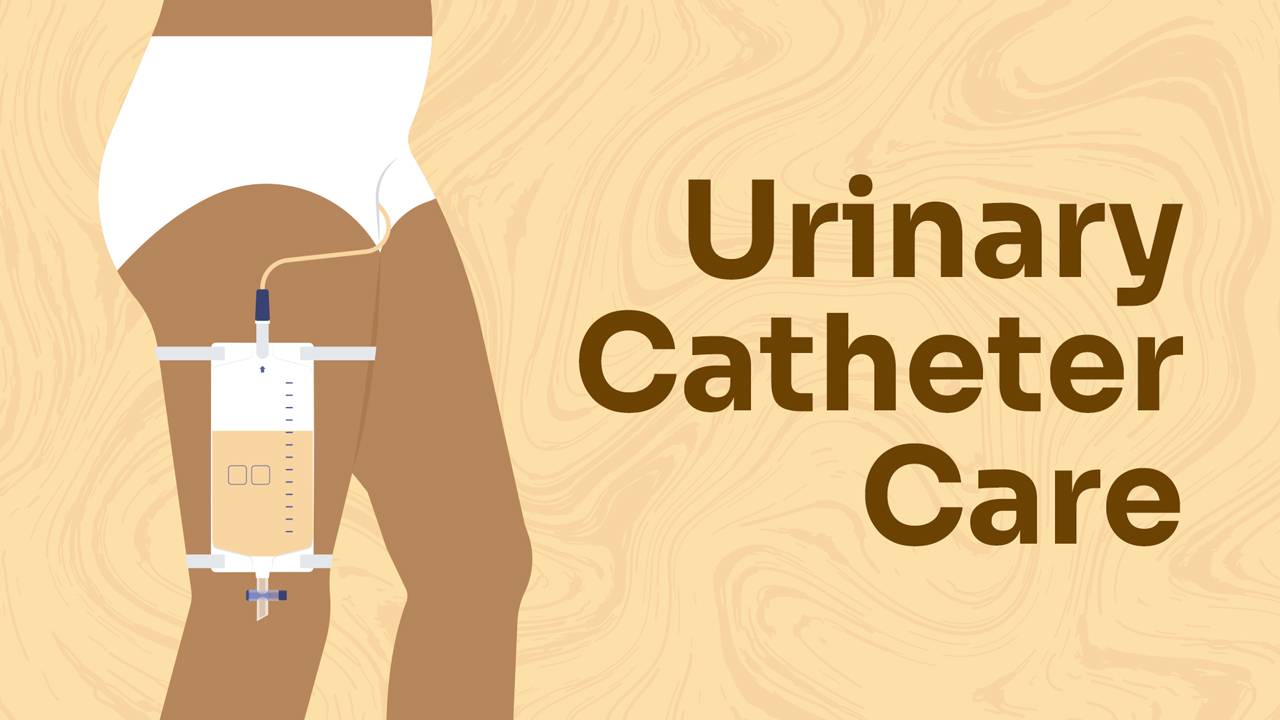
This course provides support workers with essential knowledge and skills to safely assist clients with catheter care in line with NDIS practice standards and workplace policies. It explains the purpose of catheter care, including maintaining hygiene, preventing infection, and supporting client dignity and comfort. By the end, learners will understand how to follow care plans, identify and report potential complications, and apply infection control procedures during catheter care.
 Basic
This course helps support workers understand the importance of maintaining professional boundaries to build safe, respectful, and ethical relationships with participants. It explores appropriate behaviour, managing dual relationships, and recognising signs of boundary crossings or violations. By the end, learners will be able to set clear limits, protect participant wellbeing, and uphold NDIS Code of Conduct standards.
 Basic
This course equips learners with the knowledge and practical strategies to promote and maintain good oral health for participants.
Topics include understanding oral health risks, supporting daily hygiene routines, preparing participants for dental visits, recognising and responding to oral health concerns, making referrals to allied health professionals, and ensuring compliance with NDIS Practice Standards.

Our customer support team is here to answer your questions. Ask us anything!

Hi, How can I help?